cylogo2

C-YCNC

sonic yang

cutting process of stainless steel

In-depth introduction to the cutting process of stainless steel SUS321

Table of Contents Usually contains more than 12% chromium or nickel content of more than 8% of the alloy steel called stainless steel. More Cr and Ni improve stainless steel’s properties, boosting corrosion resistance and strength above 450 ℃. Therefore, many industries widely use it in aerospace, chemical, petroleum, construction, food
Featured Image

PTFE Machining for Engineers

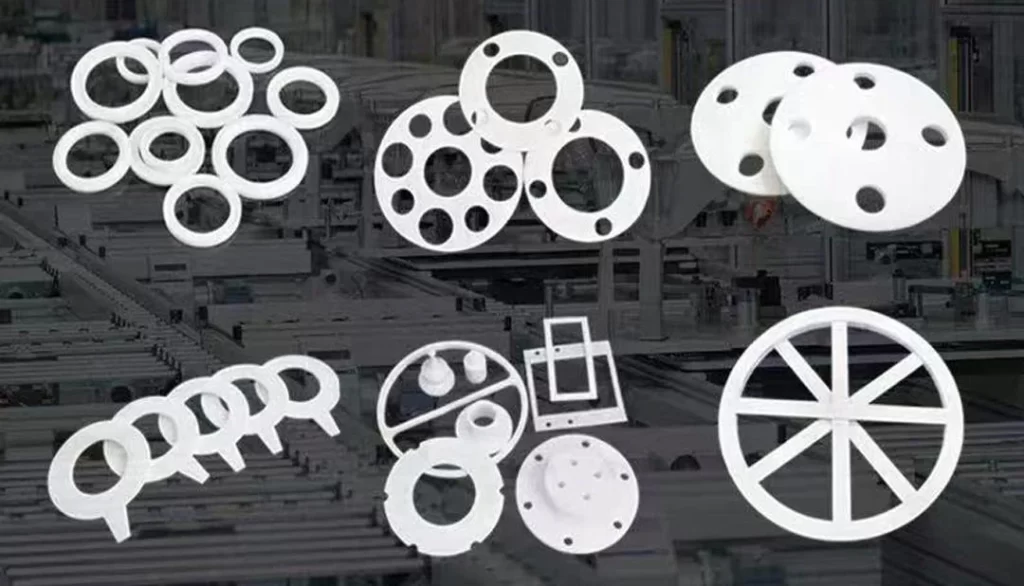
Table of Contents Introduction Overview of PTFE (Polytetrafluoroethylene)PTFE, commonly known by its trade name Teflon, is a high-performance thermoplastic fluoropolymer renowned for its exceptional chemical resistance, low coefficient of friction, and excellent thermal stability. Its unique properties make it indispensable across industries such as chemical processing, electronics, aerospace, and medical

Featured Image

Machining Processes and Technologies

Table of Contents Introduction to Machining Machining is a core pillar of modern manufacturing. Defined as a subtractive manufacturing process, machining involves the controlled removal of material from a workpiece to achieve precise shapes, dimensions, and surface finishes. This process underpins critical manufacturing sectors such as automotive, aerospace, construction, electronics,

sheet metal

Sheet Metal Bending: Design and Fabrication Guide

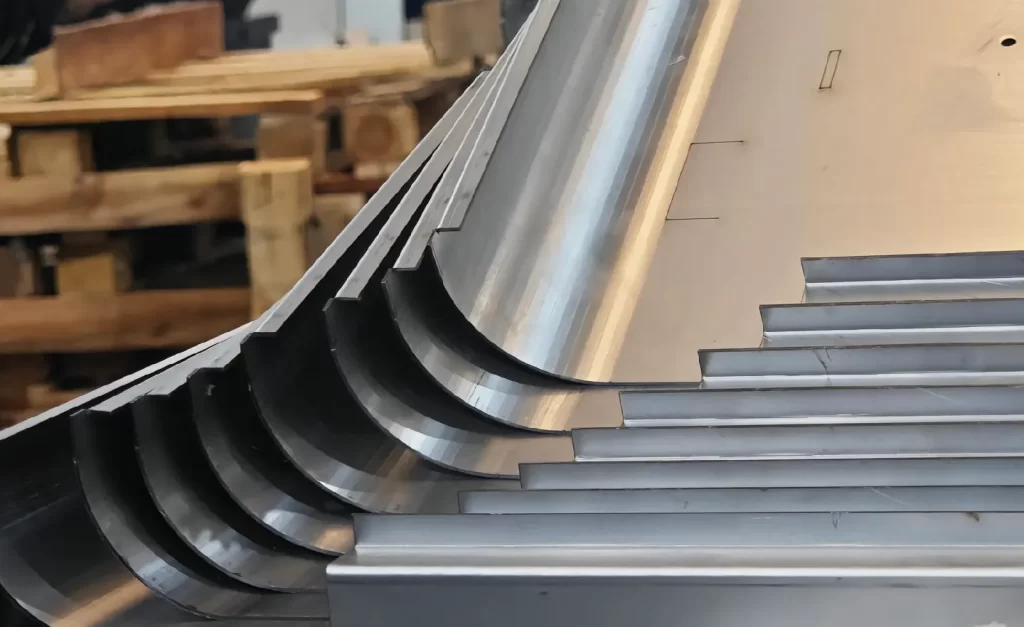
Table of Contents Introduction Definition and Importance Sheet metal bending is a core manufacturing process in which flat metal sheets are transformed into three-dimensional shapes through controlled plastic deformation. Using tools such as press brakes and dies, materials are bent along straight axes to achieve functional, often highly precise geometries.

thin wall

Analysis of precision thin-walled parts by CNC milling

With the development of society, aircraft, aerospace vehicles, drones are increasing, the demand for thin-walled parts is increasing. Thin-walled parts internal hollowing, high excision rate is generally more than 90%. Thin-walled parts require high-precision milling with heavy metal removal, but low rigidity and easy deformation reduce milling efficiency. Milling thin-walled

Machinable Material

Machinable Materials for Manufacturing Engineers

Introduction to Machinability Machinability is a fundamental property in manufacturing engineering, reflecting the ease with which a material can be machined to meet dimensional tolerances, surface finish specifications, and production efficiency targets. A material with good machinability allows for faster cutting speeds, reduced tool wear, lower energy consumption, and consistent

Blind Holes & Fasteners

Blind Holes & Fasteners Guide

Introduction In precision manufacturing and engineering design, the details of how components are joined or mounted are critical. One such feature that plays a significant role in these assemblies is the blind hole. What Is a Blind Hole? A blind hole is a hole that is drilled or machined into

reamer

Reamers: Precision Tools for High-Accuracy Hole Finishing in Modern Manufacturing

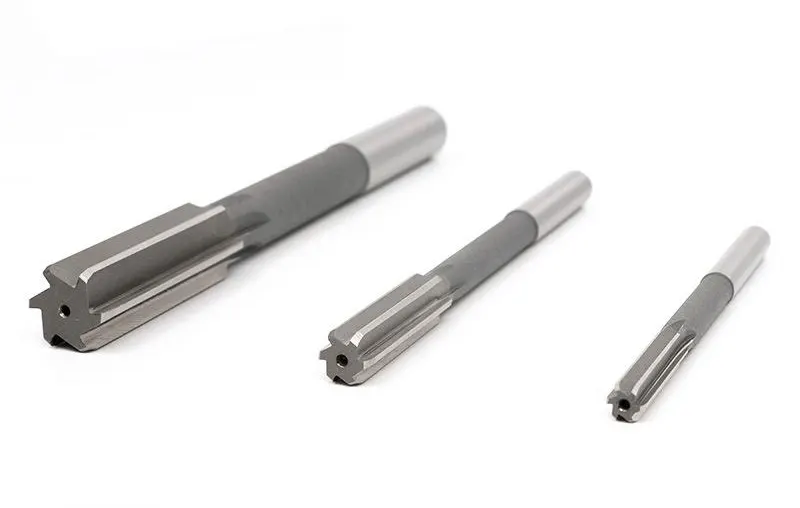
In today’s precision-driven manufacturing landscape, where tolerances are tighter and component performance often hinges on microscopic variances, reamers play a crucial but sometimes underappreciated role. These multi-edge rotary cutting tools are engineered not to create holes, but to perfect them—delivering dimensional accuracy, fine surface finishes, and geometric precision that other

CNC machining alnumium

Comprehensive Comparison of Aluminum Alloys 6061 and 7075

Introduction Aluminum alloys are foundational materials in modern engineering, prized for their combination of low density, high strength-to-weight ratios, corrosion resistance, and versatile machinability. Among the myriad of available aluminum alloys, 6061 and 7075 are two of the most widely used in structural and mechanical applications. Choosing between these alloys

Featured image

CNC Milling of Counterbores in Internal Cavities

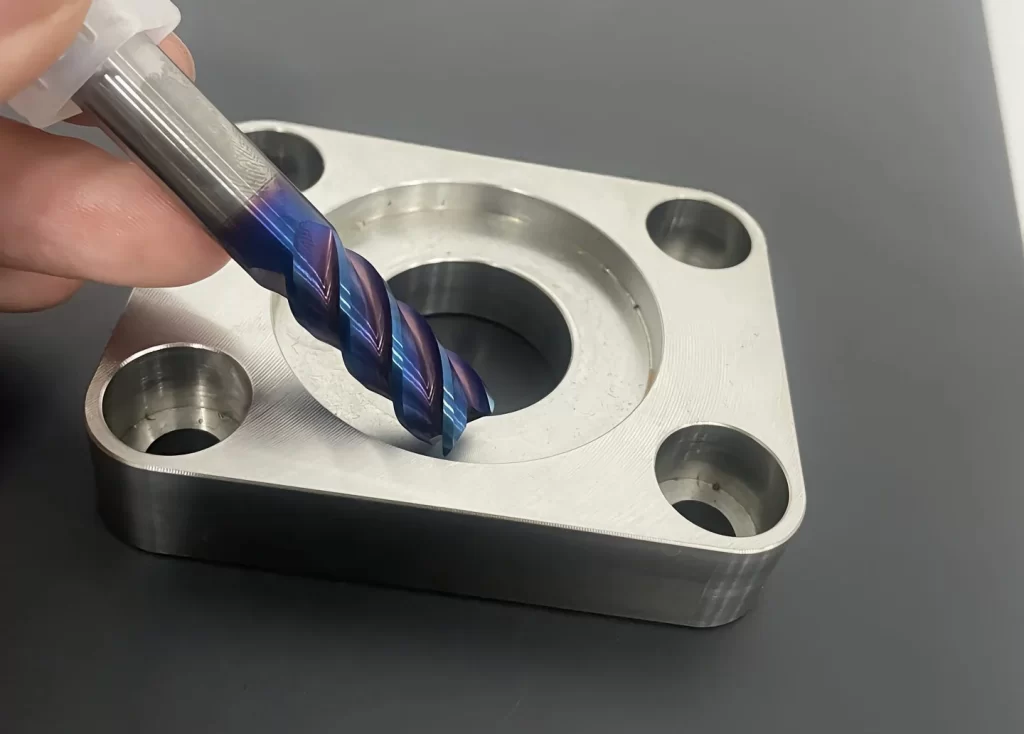
The CNC-integrated center frame is a key load-bearing part critical for safe high-speed rail operation. Counterbores in deep cavities (Fig. 1) need EDM, causing long cycles, poor finish, and clamping issues. CNC milling was adopted for counterbores to replace EDM, cut costs, and boost efficiency. Problem analysis and process test

Scroll to Top